Capillary Cauterization
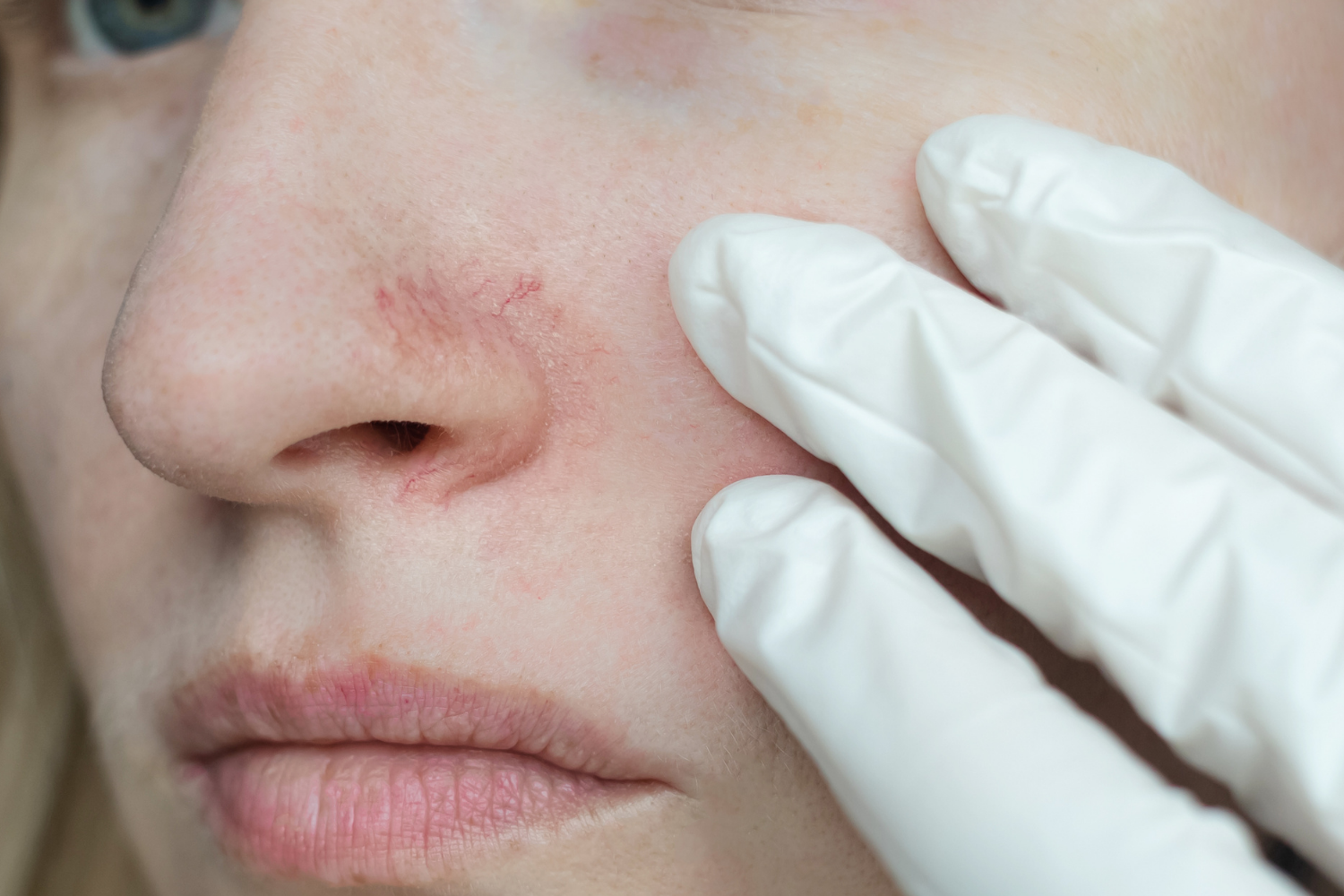
Capillary Cauterization, also known as Electrocoagulation or Thermocoagulation, is designed to treat small superficial facial blood vessels, including spider veins and broken capillaries commonly found around the nose and cheeks.
How it works
During treatment, a fine probe is placed directly against or just into the skin over the visible vessel.
A high-frequency electrical current is applied for a fraction of a second, generating heat inside the vessel.
The heat causes:
coagulation of the blood
destruction of the vessel wall
collapse and sealing of the capillary
Once sealed, blood is naturally rerouted through healthy surrounding vessels. Over the following weeks, the treated vessel is gradually broken down and absorbed by the body's immune system.
What Can Be Treated?
Session Length
Capillary Cauterization is used to reduce the appearance of small superficial blood vessels on the face. It is most effective for treating:
Spider veins around the nose
Broken capillaries on the cheeks
Small red facial blood vessels (telangiectasias)
Individual visible capillaries on other areas of the face
Treatment is intended for small superficial vessels only. Larger leg spider veins, varicose veins, and deeper vascular concerns are not appropriate for Capillary Cauterization and are typically better treated with procedures such as sclerotherapy or vascular laser therapy.
How Many Sessions Are Needed?
Appointment length is customized based on the number, size, and location of the blood vessels being treated.
Most appointments range from 15–30 minutes, though larger treatment areas or multiple areas may require additional time. During your consultation, we will assess your concerns and recommend the session length that best meets your needs.
The number of treatments varies from person to person and depends on several factors, including:
The number of visible blood vessels
The size and diameter of the vessels
Their location on the face
Individual healing response
Whether new capillaries develop over time
Many small vessels respond well after one treatment, while others may require 2–4 sessions to achieve the desired improvement.
Treatments are typically spaced 6–8 weeks apart to allow the skin to heal and for your body to naturally absorb the treated vessels before reassessing the area.
Because genetics, sun exposure, aging, rosacea, and other factors can contribute to the development of new visible capillaries, maintenance treatments may be desired in the future if additional vessels appear.