

Surgical Hair Removal for Gender-Affirming Care
Preparing for gender-affirming surgery is a significant milestone, and permanent hair removal is often an important part of that process. At Zap House, we provide electrolysis for both vaginoplasty and phalloplasty surgical preparation in a respectful, affirming, and judgment-free environment.
Whether you're just beginning your journey or have a surgery date scheduled, we'll work with you to create a treatment plan based on your surgeon's requirements and timeline.
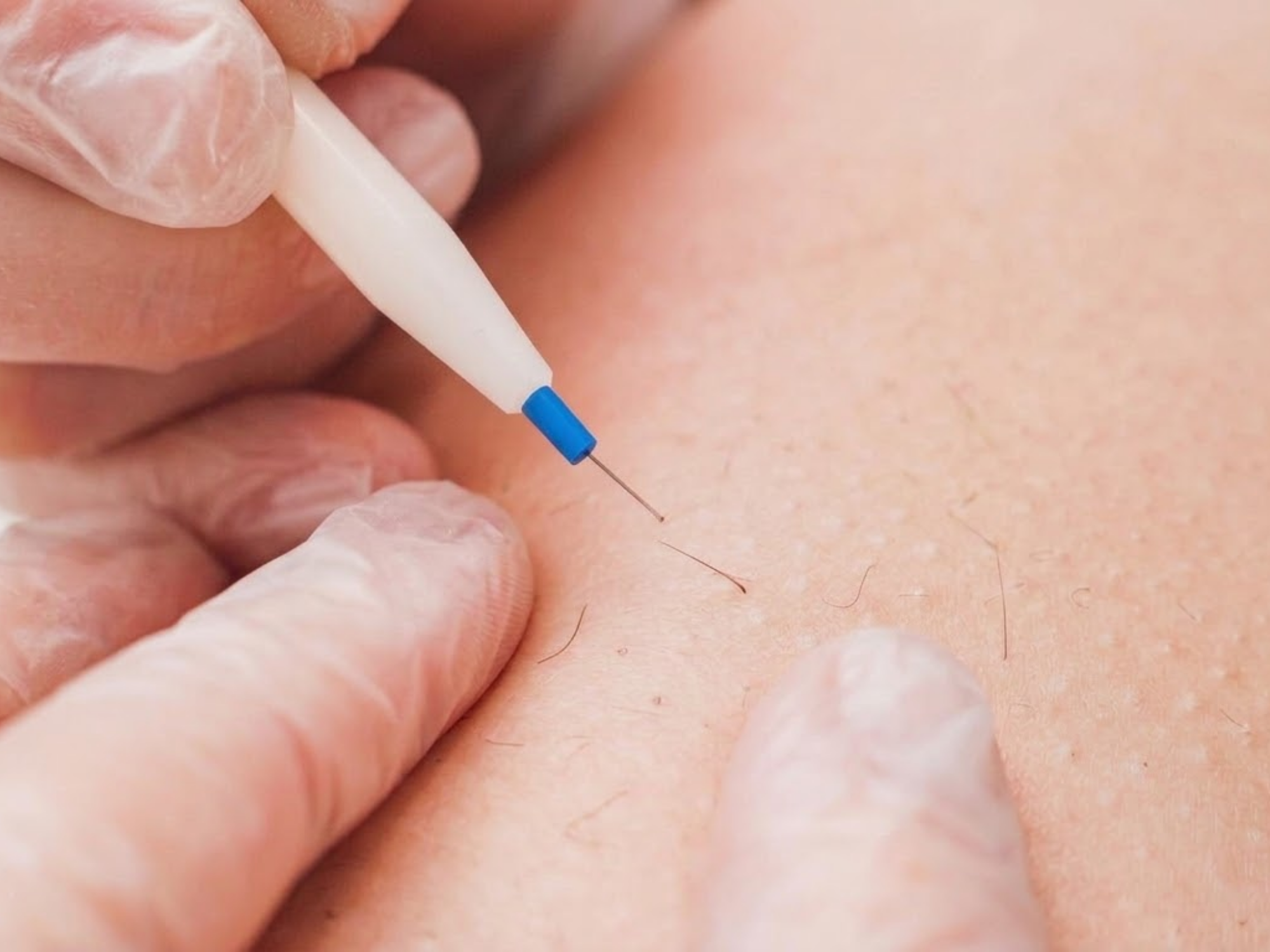
Why Hair Removal Is Required
Certain gender-affirming surgeries require permanent hair removal from tissue that will become internal or remain permanently enclosed after surgery. If hair-producing follicles remain in these areas, they can continue producing hair after surgery, which may lead to hygiene concerns, irritation, discomfort, or other complications.
This is where permanent hair removal methods like electrolysis and laser come in.
At this time, we provide electrolysis services only. Clients seeking laser hair removal may need to begin that portion of treatment with another provider before continuing electrolysis with us.

Vaginoplasty
Hair removal is often required before vaginoplasty surgery in areas where tissue will be used to construct the vaginal canal.
The hair removal treatment area for vaginoplasty depends on the surgical technique, different technics like Penile Inversion, Peritoneal Pull-Through, and Zero-Depth (Vulvoplasty) will require different areas and degrees of removal.
The most common areas for clearance include: 1 inch around the base of the phallus, penile shaft, scrotum and perineal skin, but exact boundaries vary by surgeon.
After you’ve confirmed your donor site with your surgeon, we can begin treating the appropriate area.
Please bring a diagram or written outline from your surgeon showing the exact perimeter that must be cleared so we can keep it on file and ensure treatments stay within the required surgical area.
Phalloplasty
The purpose of preoperative hair removal is to permanently remove hair from any skin that will become part of the inside of the urethra or, in many cases, the shaft of the phallus, depending on the surgeon's technique.
Hair-bearing skin that becomes internal can continue producing hair after surgery, which may contribute to hygiene issues, irritation, stone formation within the neourethra, urinary obstruction, or infections.
The most common areas for clearance are from the forearm (RFFF) and leg (ALT). It is very important that you meet with your surgeon prior to beginning hair removal as they need to check your anatomy and approve the donor site as viable.
After you’ve confirmed your donor site with your surgeon, we can begin treating the appropriate area.
Please bring a diagram or written outline from your surgeon showing the exact perimeter that must be cleared so we can keep it on file and ensure treatments stay within the required surgical area.
The Process
While treatment areas differ between vaginoplasty and phalloplasty the timeline, frequency and other details are similar.
Timeline:
Most clients should begin treatment 12–18 months before surgery, while some clients may need more or less depending on individual factors such as:
Hair density
Hair color
Hormones
Medications
Genetics
Frequency:
Consistency is key in the success of your treatments. Coming in for 30-60 minute sessions every 1-3 weeks is ideal to ensure you are making measurable and continuous progress.
To learn more about electrolysis, how it works, and the timeline visit our Electrolysis Page